The West Highland Way can be hiked in many ways, but camping is the most flexible and affordable option. It lets you set your own schedule, enjoy the scenery up close, and experience the route at your own pace.
Below, you’ll find a full camping guide – including campsites, wild camping rules and spots, bothies, and Leave No Trace advice. Everything you need to help you plan your West Highland Way hike.
In this guide:
Campsites vs Wild Camping
A key choice on the West Highland Way is whether to use campsites or wild camp along the route. The best choice depends entirely on what you are looking to get out of your hike.
Designated Campsites
Staying at official campsites along the West Highland Way offers convenience, comfort, and a little bit of luxury after a long day on the trail. The average price of a tent pitch is around £15. Most have:
– Hot showers and proper toilets
– Washing and drying facilities (a godsend after a wet day)
– Shops, cafes, or pubs nearby
– The chance to socialise with other hikers
The main downside is that you will likely have to book ahead to ensure a spot during peak season in some campsites, though not months ahead like you would a hotel. This also means you are restricted to following a pre-determined schedule, much like if you are staying in accommodation.
Wild Camping
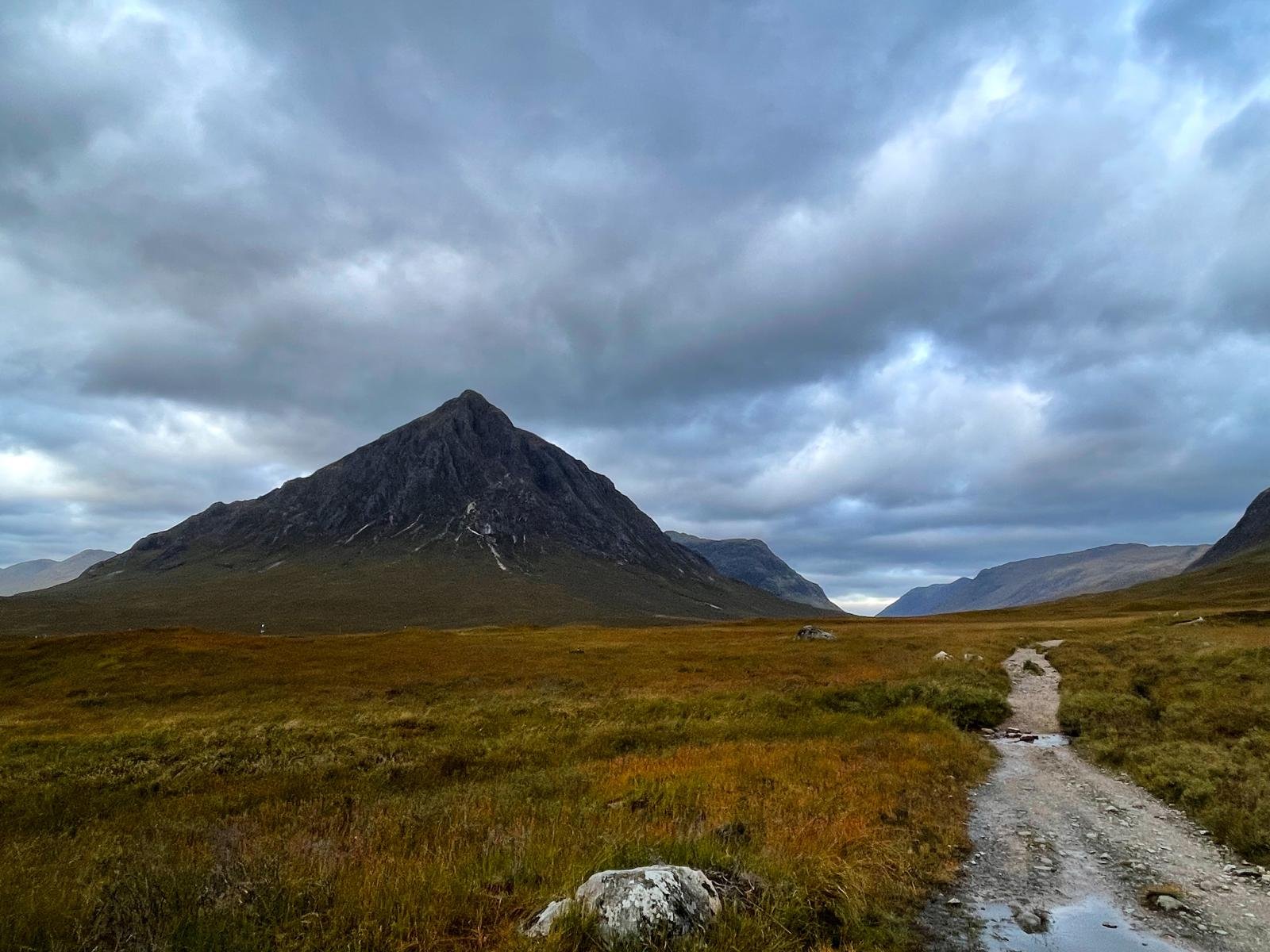
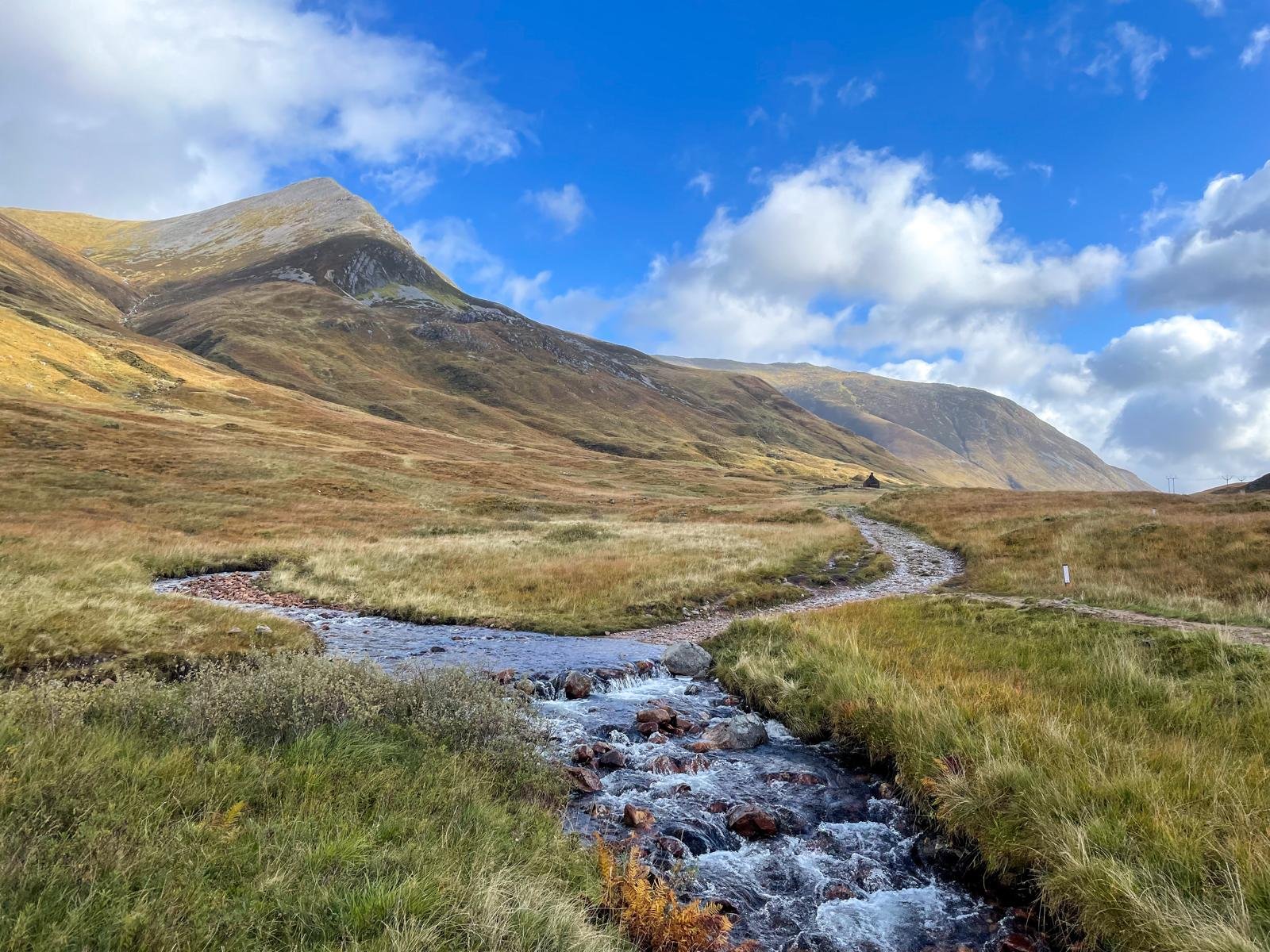
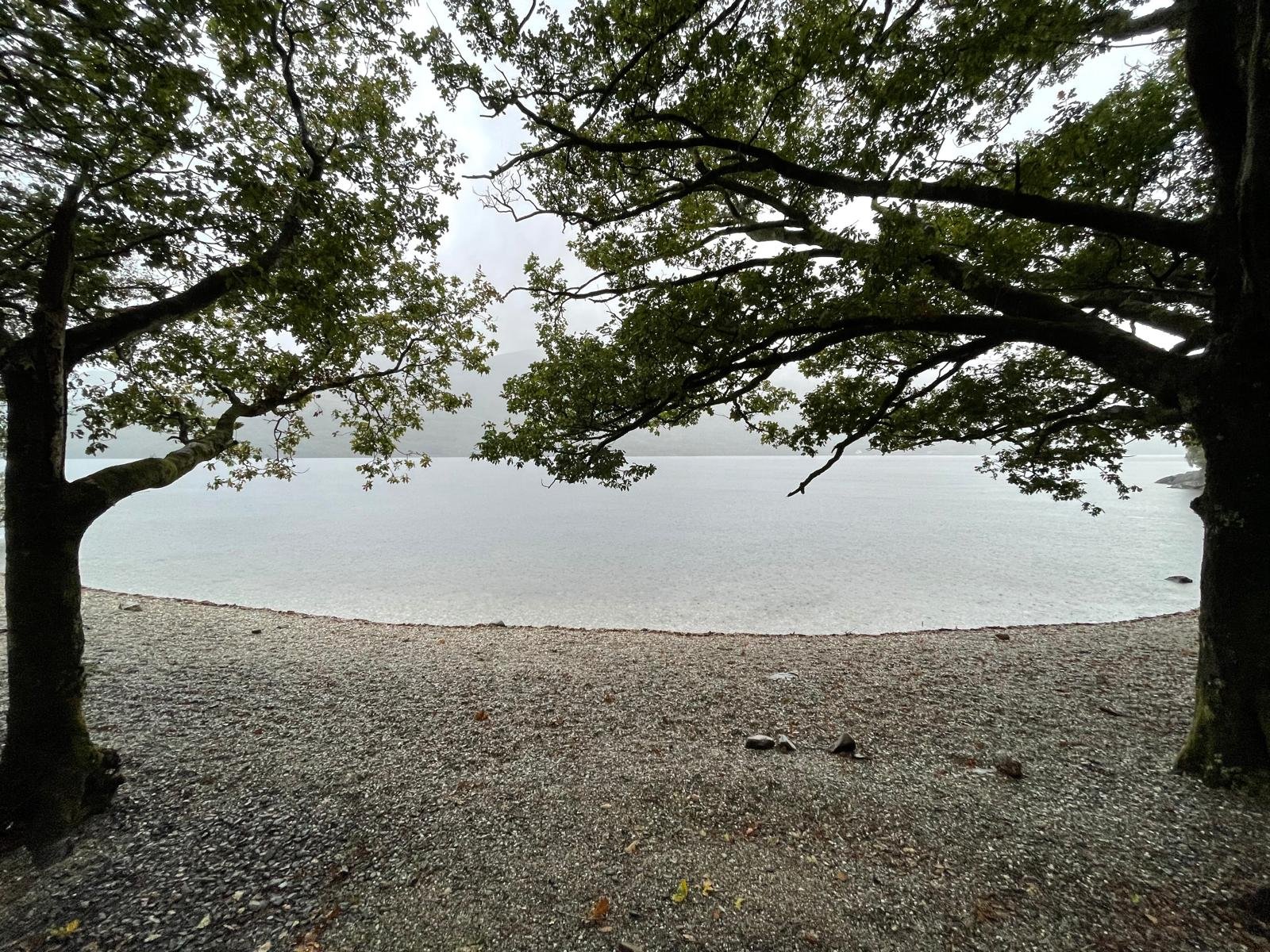
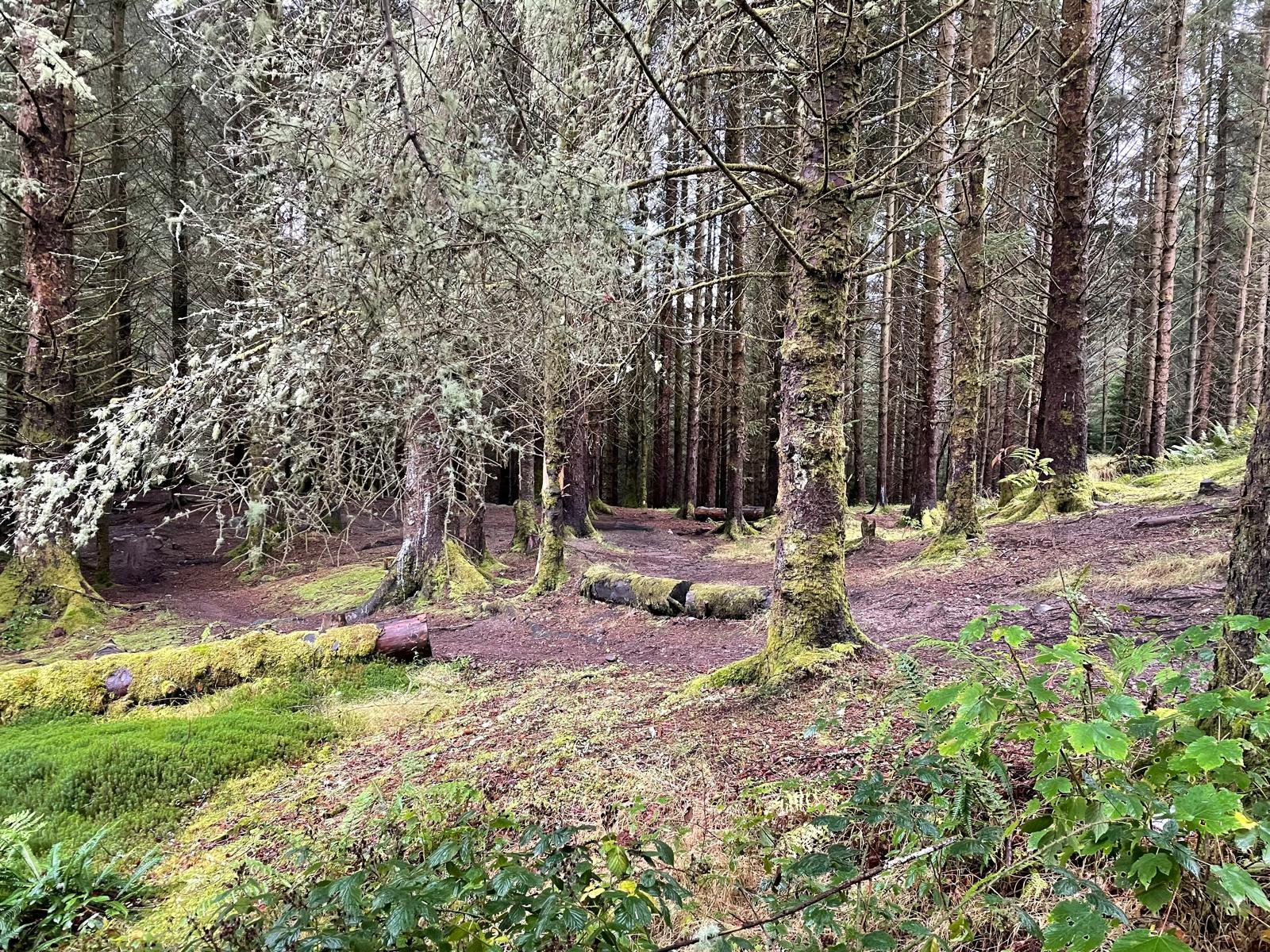
Wild camping on the West Highland Way gives you a deeper connection to Scotland’s wilderness. You can pitch beside a quiet loch, in a forest clearing, or at the edge of a moor with no one else in sight. It’s the ultimate way to slow down, disconnect, and experience the trail on your own terms.
Under Scotland’s Outdoor Access Code, wild camping is legal on most unenclosed land – provided you do it responsibly. See the section on Wild Camping for more detailed information.
The rewards are a more peaceful, isolated experience with more freedom. If you find a nice spot or are just fed up for the day you can stop, you are not bound to making it to a particular destination. But you’ll need to be self-reliant – no toilets, showers, or electricity, and it can get pretty miserable if the weather is bad.
Which Should You Choose?
For most hikers, a mix of both works best. Use campsites every few nights to shower, recharge devices, and restock supplies, then spend other nights wild camping in quiet scenic spots.
This combination keeps costs low, balances comfort with freedom, and lets you experience the very best of what the West Highland Way has to offer — both its rugged solitude and its warm Highland hospitality.
Wild Camping on the West Highland Way
Wild camping in Scotland is legal under the Scottish Outdoor Access Code, which means you can pitch your tent on most unenclosed land — as long as you do it responsibly.
“Wild camping is a privilege in Scotland – treat every pitch as if it were your own back garden.”
Key Wild Camping Rules
- Camp in small groups (ideally 2–3 tents max)
- Stay no more than two nights in one spot
- Leave no trace
- Keep at least 100m away from roads, houses, and farmland (including fenced livestock areas).
Tips for Responsible Camping
The West Highland Way is a very popular trail, as such it is very important that everyone does their part to keep the trail as pristine as possible.
- Take all litter home with you.
- This includes toilet paper, which can take many months to disintegrate and when buried is often dug up by animals.
- Likewise food waste, like fruit skins take a long time to decompose, are unsightly and encourage rodents.
- Go to the toilet at least 30 metres from water sources or campsites
- This includes peeing.
- Take a trowel so you can bury your waste.
- Avoid open fires
- They are an unecessary risk – in recent years Scotland has had several wildfires.
- Open fires scar the landscape when done incorrectly.
- Scan your campsite
- It’s easy to leave things behind unintentially – make it a habit to scan your campsite before leaving every morning.
Loch Lomond National Park Camping Restrictions:
Between March and September, parts of the park (especially the east side of Loch Lomond) fall under camping management zones – this page has a diagram of affected areas. You’ll need a permit or must use designated sites like Sallochy Bay or Cashel. See the links above or the national park website for more information.
West Highland Way Bothies: What to Expect
West Highland Way Camp Spots Google Maps Overview
Explore Campsites on the Map
Use the interactive map below to find places to stay. Colours show the type of camping — blue ⛺ for classic paid campsites (or hostels that let you camp outside), green ⛺ for wild camping spots, and purple 🏠 for bothies.
The wild camping spots marked are not the only ones available – this is just to give you an idea so you can plan your hike a little better. If you plan to wild camp make sure to follow the Leave No Trace principles outlined above, so that others after you can enjoy camping as much as you did.
Campsites on the West Highland Way
While wild camping is legal in most of Scotland, there are plenty of excellent campsites along the route where you can rest, recharge, and grab a hot shower. All prices mentioned are for one night only.
Milngavie to Drymen
West Highland Way Hotel & Campsite:
- Contact directly for pricing
- Open all year
- £14 per adult per night for a standard pitch
- Max tent size 4P for standard pitch
- Open mid March to mid October
Drymen to Rowardennan
Milarrochy Bay Camping and Caravanning Club Site
- £13.15 per adult for a small tent pitch. Per pitch there is an additional fee of £9.20 for non club members. So for an individual non club member the price would be £22.35, two non club members the price would be £35.50 etc.
- Open last week of March to last week of October
- £17 for 1 person pitch, 26.25 for 2 people
- Open begin March to end November
- £10.80 per adult
- Open begin April to end September
- No showers, only composting toilets
- 5 tent pitches on a first come first serve basis, so no booking ahead
- Small fee and can use hostel facilities
- If no availability you would need to continue for a few miles to wild camp outside the restricted area
Rowardennan to Inverarnan
- £15 per person
- Open last week of March to end of September
- Use of bunkhouse facilities. Dinner, breakfast and packed lunch options available
- £15 per person
- Open March to October
- Bar/restaurant and shop on site
Inverarnan to Tyndrum
- £16 per person
- Open begin April to mid October
- £14-20 per pitch, date dependent
- Max 2P tent size
- Open begin March to end November
Tyndrum to Inveroran
No formal camping available, tolerated wild camping across the bridge from the Bridge of Orchy hotel, or after the Inveroran Hotel. If you don’t want to wild camp your best budget option is the West Highland Way Sleeper Bunkhouse.
Inveroran – Kingshouse/Glencoe
- £10 per adult
- Open year round
- Bar/restaurant/shop on site
- Tolerated informal wild camping behind the hotel, across the stream
- Public toilets and paid showers available. Food available at the The Way Inn or at the hotel
Kingshouse/Glencoe – Kinlochleven
- £15 per person
- Open begin March to mid October
- Max 2P tent size
- £10 per person
- Max 2P tent size
- I have seen mixed reviews online about this camping option in recent years, so I suggest doing some research in advance to booking this. I have not personally stayed here.
Kinlochleven – Fort William
- £13.25 per person
- Open all year
- Restaurant/bar on site
If you found this guide helpful, please consider buying me a coffee
and sharing on your social media