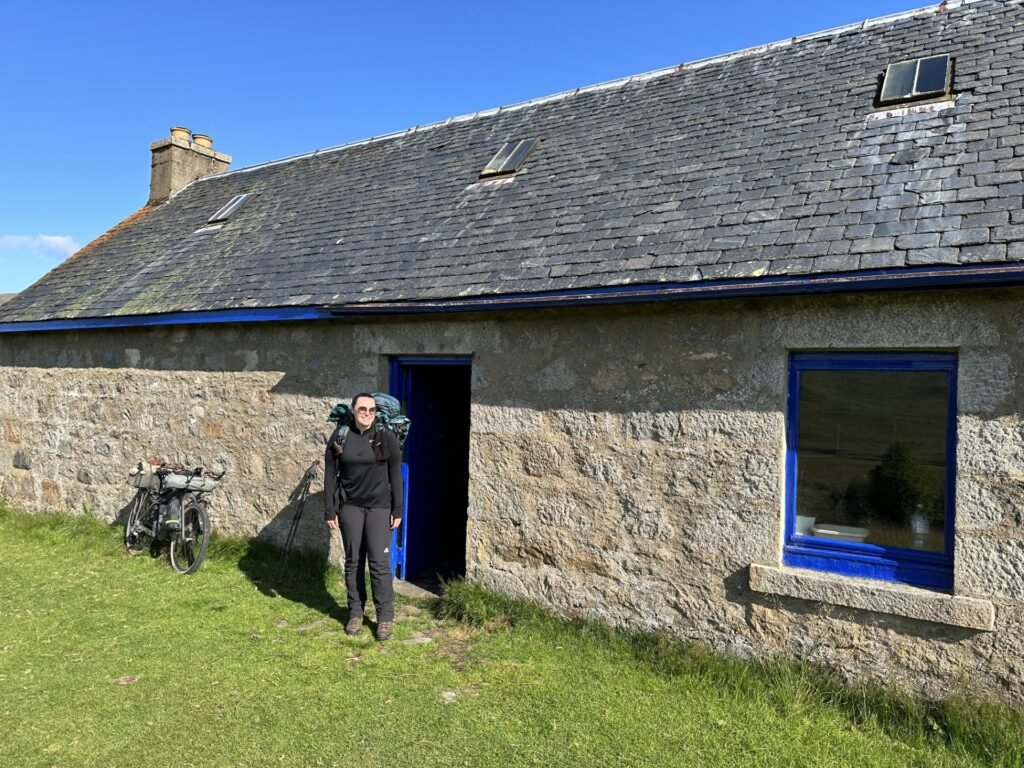
If you’ve spent any time planning hikes in Scotland, chances are you’ve come across the word bothy. These simple shelters are a unique part of Scottish outdoor culture (although some do exist in England and Wales), offering walkers a free place to sleep in some of the country’s most remote landscapes.
Bothies work because the people who use them treat them with care and respect. This guide covers what bothies are, how they work, what’s expected if you choose to use one, and how to support those that maintain them.
In this guide:
What Is a Bothy?
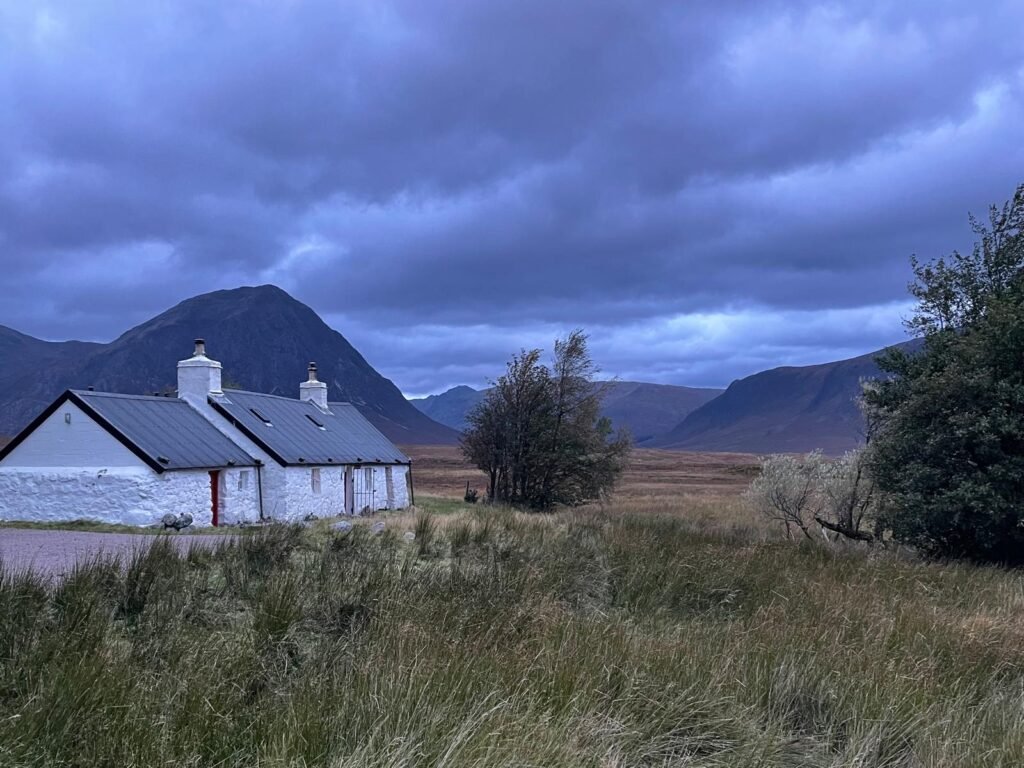
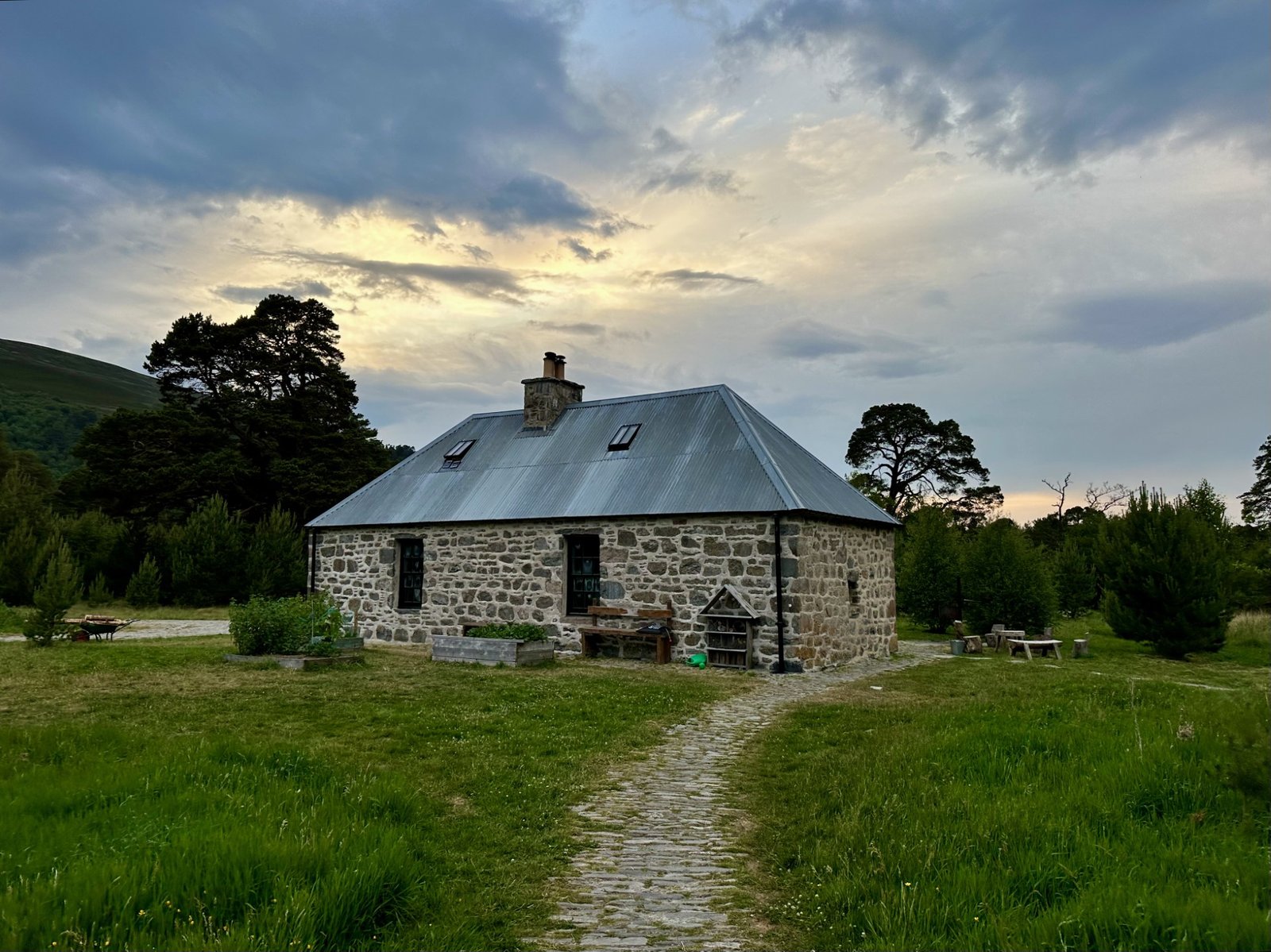
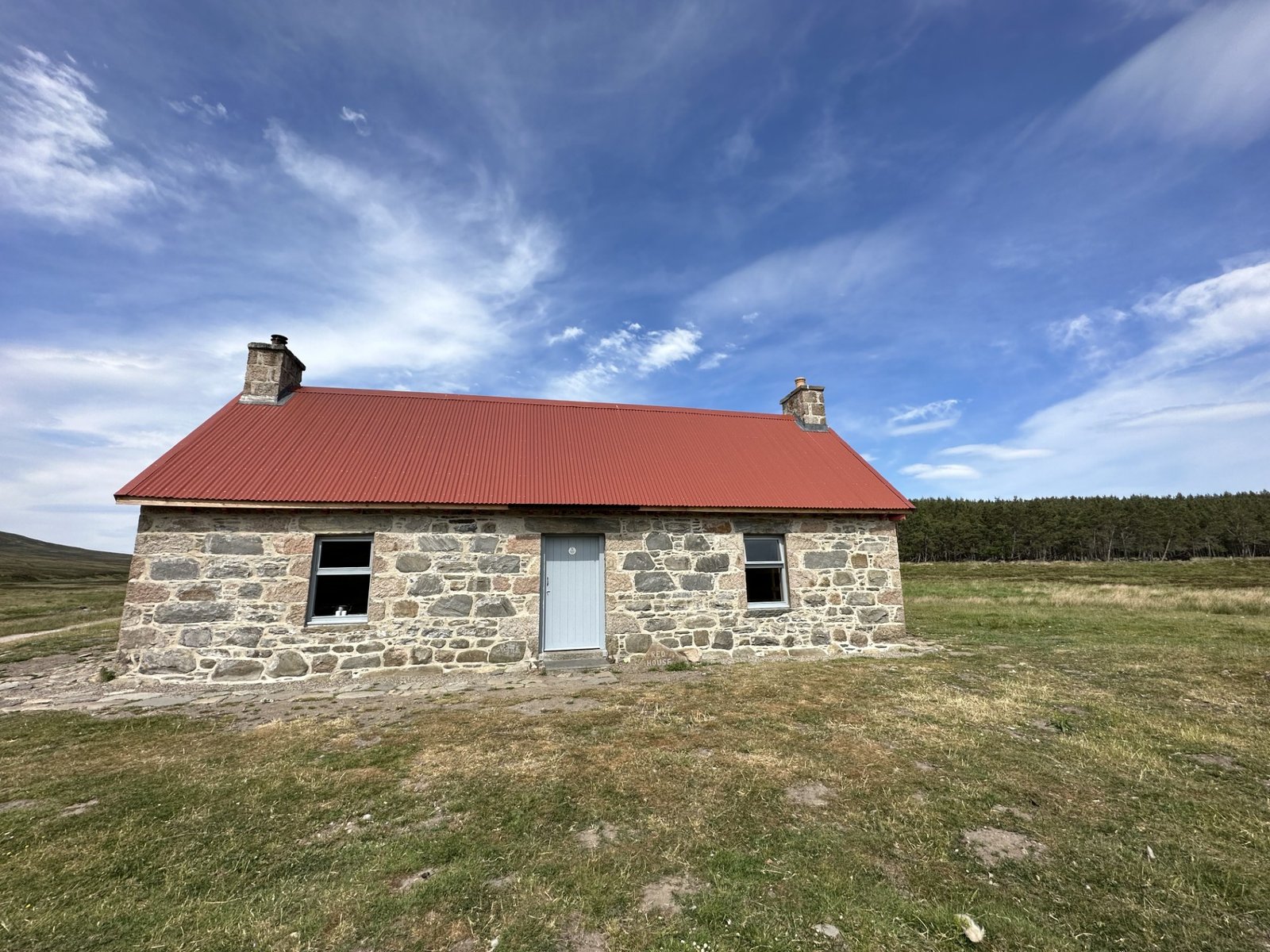
A bothy is a simple, unlocked shelter available for walkers and cyclists in remote areas of Scotland. Many were originally used as crofts, shepherds’ huts, or estate buildings linked to land management. While most bothies are still owned by private estates, many are now maintained by the Mountain Bothy Association (MBA) in return for public access.
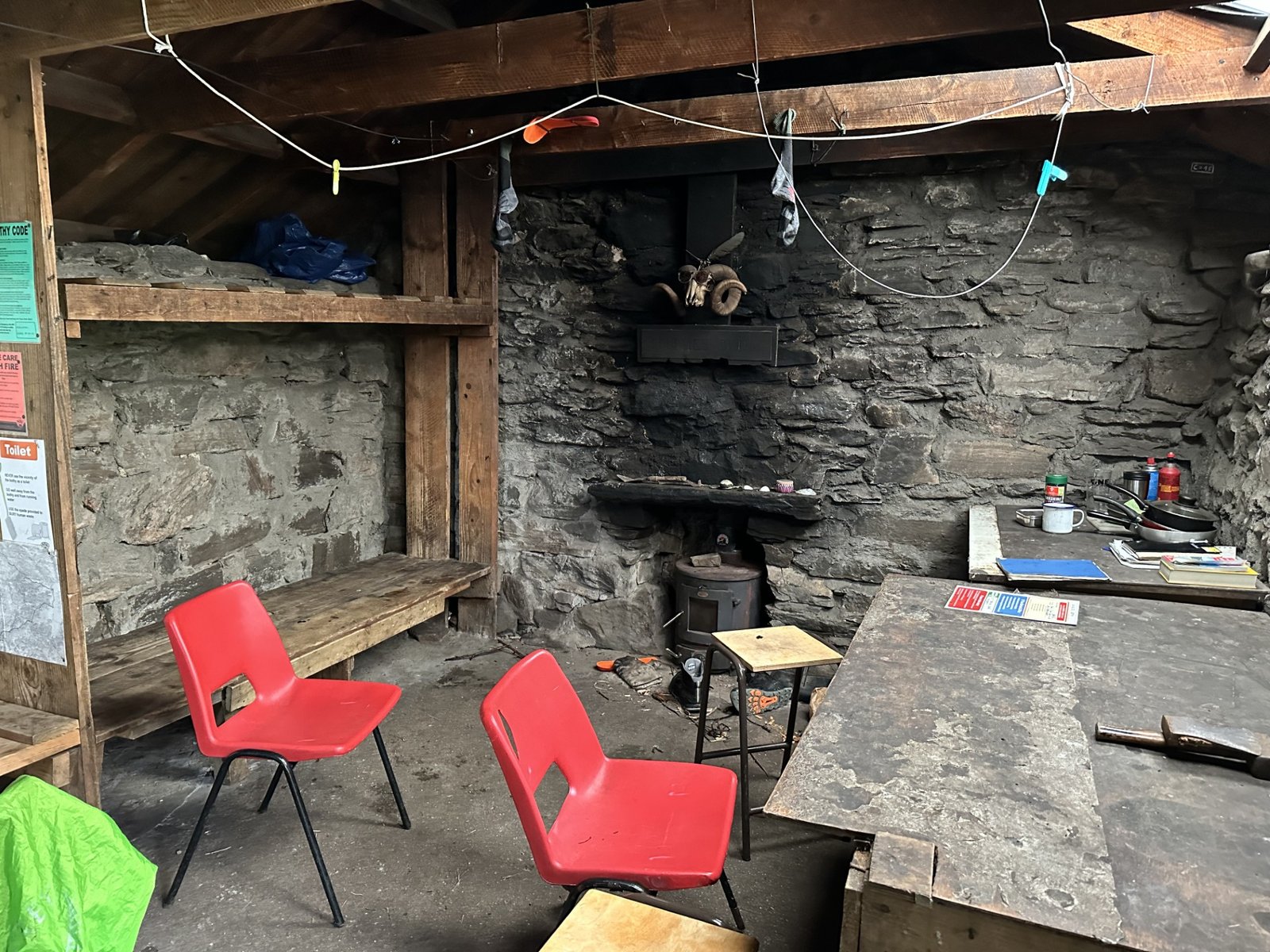
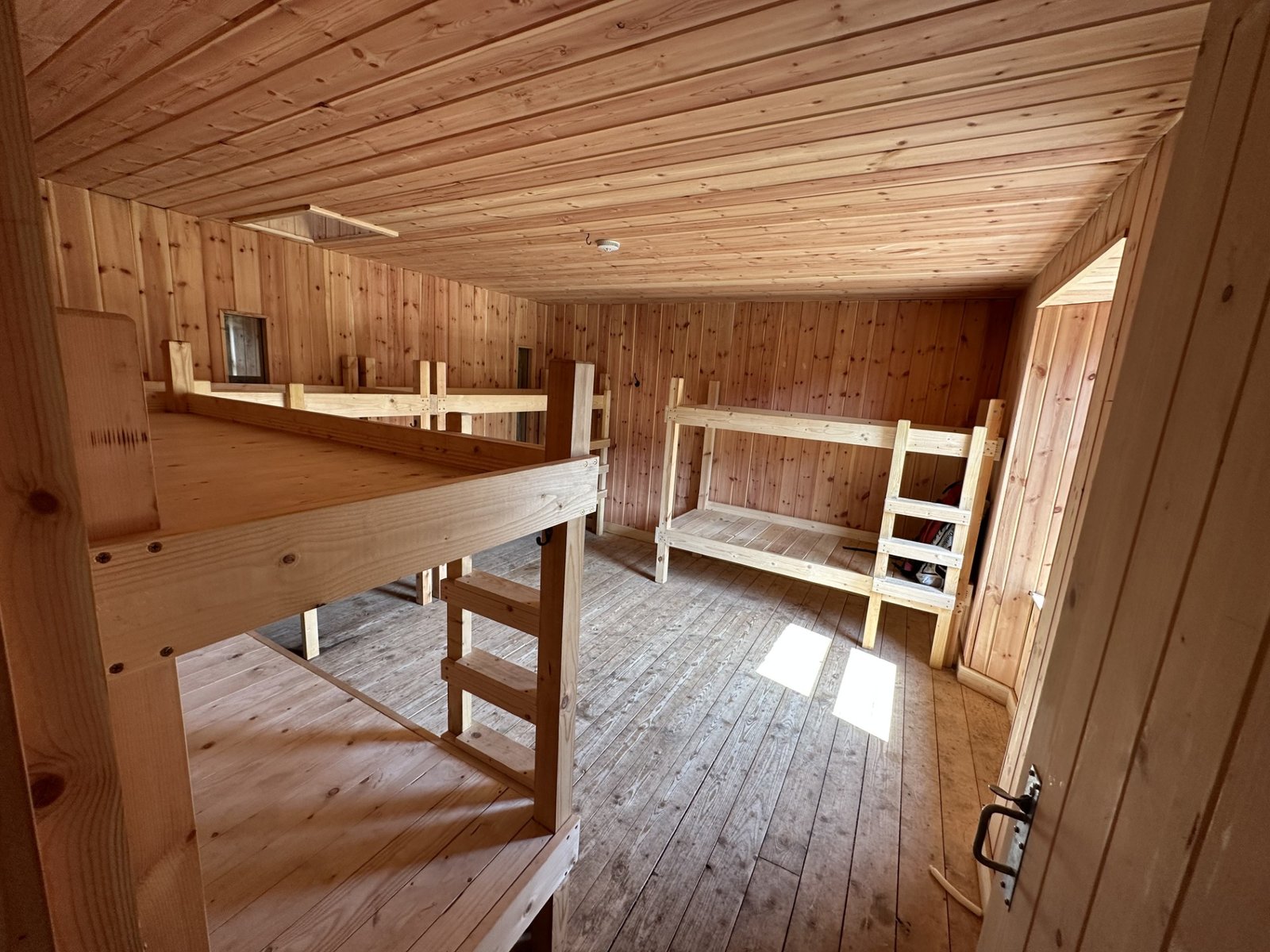
Facilities vary widely from one bothy to the next. At a minimum, expect four walls and a roof. Many have a sleeping platform and a stove, and some include basic furniture like benches or a table. More recently renovated bothies may have bunk-bed-style platforms or, in a few busy locations, an outhouse.
Do not expect electricity, running water, or toilets. A handful of bothies have these features, but they are very much the exception.
How Do Bothies Work?
Bothies are free to use and cannot be booked or reserved. Anyone can use them, and arriving first doesn’t give you priority over others. If someone turns up later, you’re expected to be welcoming and make room where possible.
That said, bothies can be small and busy, particularly in popular areas or during peak season. Occasionally there may not be space, or a bothy may be closed for maintenance without much notice. For that reason, you should always carry a tent and be prepared to camp if needed.
Think of bothies as a bonus rather than a guarantee – a place to get out of the weather, dry gear, or enjoy a roof for the night if circumstances allow.
The Bothy Code
The bothy code exists to keep these shelters open and usable for everyone. It’s simple, practical, and based on shared responsibility.
1. Leave No Trace
Pack out everything you bring in, including rubbish, leftover food, gas canisters, and used tealight holders. Items left behind often become someone else’s problem to carry out, and food attracts rodents.
Before you leave, sweep the floor and wipe down surfaces.
When going to the toilet, move well away from the bothy to avoid contaminating the immediate area. Consider packing out toilet paper – it’s not as inconvenient as it sounds if you take doggy bags, and makes a big difference in heavily used areas.
2. Respect Other Users
Bothies are shared spaces. Be welcoming, make room for others, and keep noise to a minimum, especially at night and early in the morning. They’re not suitable for late-night parties unless everyone present is on board.
If you ever feel uncomfortable, the simplest option is to move on and camp elsewhere.
3. Fires & Fuel
If you plan to use the stove, bring your own fuel – it’s the only way to guarantee you’ll have any.
Never cut live trees or dismantle furniture for firewood. Only burn wood that is clearly intended for use as fuel, and avoid burning rubbish, as this can damage the stove. Fires should only be made in the stove provided and never left unattended.
4. Short Stays, Small Groups
Bothies are intended for short stays. If you’re planning to stay more than a couple of nights, you should contact the owner directly.
The MBA recommends keeping group sizes under six to ensure space for others and to reduce environmental impact. Commercial use, including guided groups, is not permitted.
5. Look After the Bothy
Make sure fires are fully out before leaving and that doors and windows are securely closed to prevent weather damage or animals getting inside.
If you notice any issues, consider submitting a bothy report. Maintainers may only visit a few times a year, and early reports help prevent small problems becoming bigger ones.
Who Maintains Bothies?
Most of Scotland’s bothies are maintained by the Mountain Bothy Association (MBA), a volunteer-run charity that looks after more than 100 bothies across the country. The MBA organises regular work parties, where volunteers hike in tools and materials to carry out essential repairs, from roof and chimney work to general upkeep and improvements. All of this work is done by unpaid volunteers, often in remote and challenging locations, and is funded almost entirely through memberships and donations.
Becoming an MBA member is one of the best ways to support bothies – membership fees go directly toward maintenance costs, insurance, and materials. Members can also sign up to join work parties, gaining hands-on experience and the chance to give back to places many of us rely on for shelter. Even if volunteering isn’t for you, membership helps ensure bothies remain open, safe, and free to use for future generations.
Final Thoughts
Bothies are one of the things that make hiking in Scotland feel special. Used well, they offer shelter, warmth, and a shared sense of responsibility in places where facilities are few and far between. Used carelessly, they risk being closed altogether.
Treat them as a privilege, not an entitlement, and they’ll continue to be there when you really need them.
Have you used bothies in the past? Which one is your favourite? Let me know in a comment below!
If you found this guide helpful, please consider making a donation to the MBA
and sharing on your social media