Planning to hike the West Highland Way but not sure when to go? The West Highland Way can be walked year-round, but the season you choose makes a big difference.
This detailed guide covers West Highland Way weather by month, daylight hours, midge season, and trail conditions – plus real tips from someone who’s walked it – helping you decide the best month to plan your hike.
In this guide:
West Highland Way Weather & Daylight by Month
Lets start with some figures!
The following statistics are taken from the town of Tyndrum, which sits in the middle of the West Highland Way. The figures mentioned represent long-term averages and cannot be fully relied upon for weather prediction. Fluctuations will also occur for different areas along the route.
Temperatures have been rounded to the nearest 0.5°C, rainfall to the nearest 5mm and daylight hours to the nearest 0.5hrs
| Month | Avg. High (°C) | Avg. Low (°C) | Avg. Rainfall (mm) | Daylight (hrs) | Midge Activity |
|---|---|---|---|---|---|
| January | 6 °C | 2 °C | 210 mm | 7.5 hrs | None |
| February | 6 °C | 2 °C | 190 mm | 9 hrs | None |
| March | 8 °C | 2 °C | 150 mm | 11.5 hrs | None |
| April | 10 °C | 4 °C | 105 mm | 14 hrs | Low |
| May | 13 °C | 6 °C | 130 mm | 15.5 hrs | Low–Medium (late month) |
| June | 15 °C | 9 °C | 125 mm | 18 hrs | Medium-High (late month) |
| July | 17 °C | 11 °C | 140 mm | 17 hrs | Very High |
| August | 17 °C | 11 °C | 165 mm | 15.5 hrs | Very High |
| September | 15 °C | 9 °C | 160 mm | 13 hrs | High-Medium (late month) |
| October | 12 °C | 7 °C | 225 mm | 11 hrs | Low-Very Low (late month) |
| November | 8 °C | 4 °C | 185 mm | 8.5 hrs | None |
| December | 6 °C | 2 °C | 205 mm | 7 hrs | None |
💡 Some Additional Points to Consider
Use this chart as a reference and as a baseline for planning, keep in mind the following:
Temperature: Expect cooler, windier conditions at higher elevations.
Rainfall: Scotland’s rain is frequent but usually light. However I generally always advise to be prepared for the worst – waterproof layers are a must for me!
Daylight: Longer days = more flexibility, while shorter days limit enjoyable walking hours.
West Highland Way Trail Conditions by Season
🌸 Spring (April–May): The Sweet Spot for Most Hikers
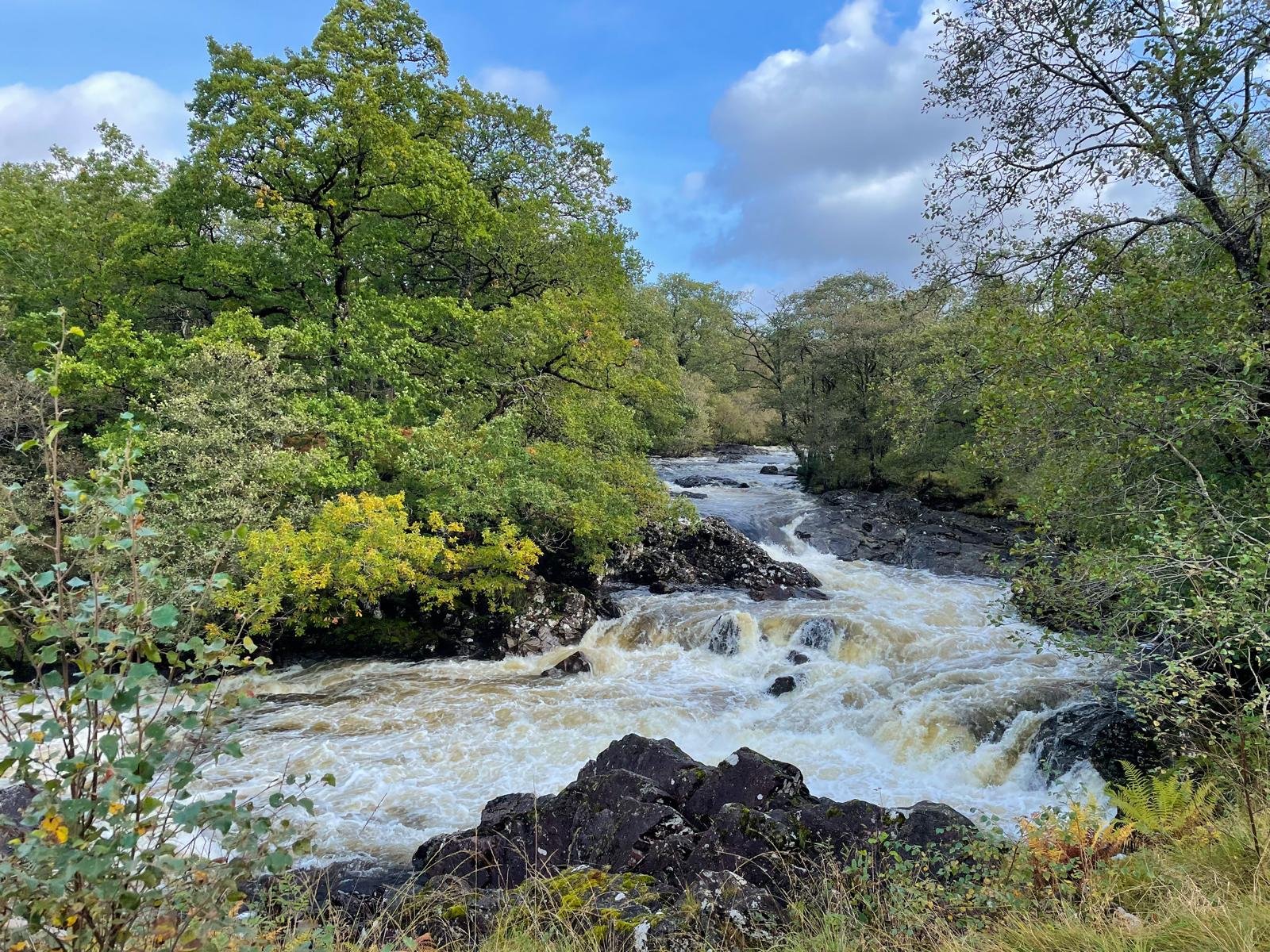
If you can time your hike for late April or May, you’ll likely catch the West Highland Way at its very best. The hills burst into fresh greens, daylight lasts 14–16 hours, and temperatures are mild — perfect for long, unhurried days on the trail.
Rainfall is generally lower than in other months – though it’s still Scotland, expect at least some rain. The best part? The midges haven’t quite arrived yet.
Trail Conditions: Usually dry and well-maintained, though muddy patches can linger after wet winters.
Crowds: Manageable. The trail feels alive but not overcrowded, though it does get busier toward the end of May.
Camping: All major campsites are open, and wild camping is comfortable with cool, crisp nights.
☀️ Summer (June–August): Warm Weather and Peak Crowds
Summer brings Scotland’s longest days and most reliable warmth. In June, the sun can rise before 5 a.m. and set after 10 p.m., giving you nearly endless daylight for relaxed mornings and slow evenings by the lochs.
However, this is also peak season. Expect busier trails, booked-up B&Bs, and buzzing campsites. The midges are at their worst in July and early August, especially around Loch Lomond and Rannoch Moor – pack repellent and a head net.
Trail Conditions: Excellent footing and well-marked paths.
Crowds: High — expect company at popular stops, bothies, and campgrounds.
Camping: Warm nights and plenty of options, but book early and come prepared for insects.
Planning to camp? Check out my West Highland Way Camping Guide for prices, locations, opening hours and more.
🍂 Autumn (September–October): Fewer Crowds and Stunning Scenery
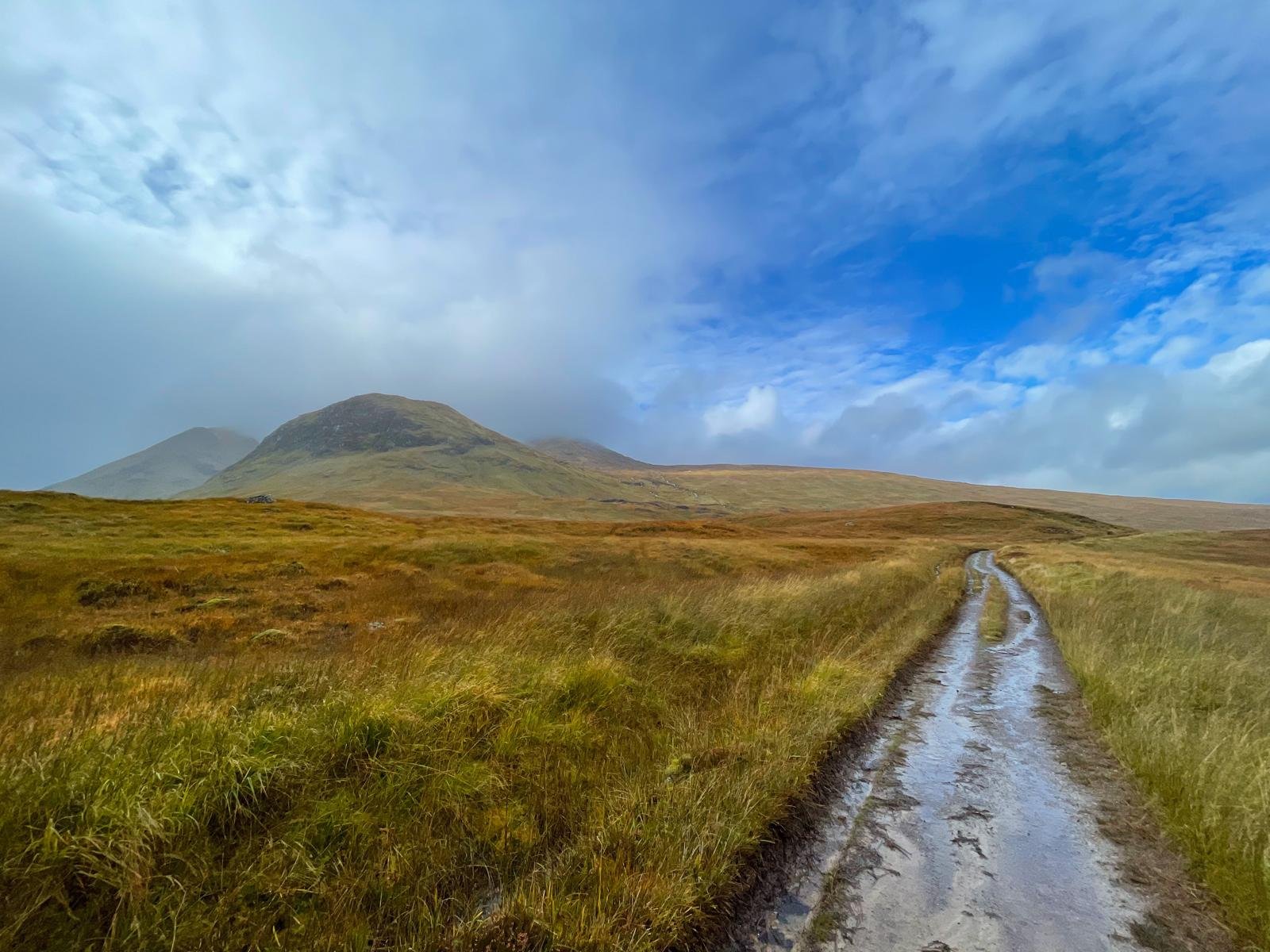
Autumn might be the most underrated time to walk the West Highland Way. By late September, the midges are gone, the crowds thin out, and the hills explode in gold, red, and amber. The crisp air and early sunsets make for some truly memorable evenings.
Daylight hours shorten (12–13 hours in September, about 10–11 in October), and rain becomes more frequent — especially later in the season. Nights get chilly, so bring extra insulation if you’re camping.
Trail Conditions: A little wetter but peaceful and atmospheric.
Crowds: Moderate in September, very quiet by October.
Camping: Cool but scenic. Most campsites close around mid-October, so plan your overnights carefully.
❄️ Winter / Off-Season (November–March): Hiking the West Highland Way in Winter
The West Highland Way doesn’t close in winter – but it feels like a completely different trail. Snow often dusts the hills, daylight drops to just 7 hours in midwinter, and many services (campsites, cafes, hostels) close for the season.
For experienced hikers, though, this is a chance to experience the Highlands at their most dramatic – empty trails, crisp air, and snow-capped peaks. You’ll need full self-sufficiency and a flexible mindset.
Trail Conditions: Wet, icy, or snowy – trekking poles and good boots are essential.
Crowds: Almost none.
Camping: Demanding but possible with proper winter gear. Always check forecasts and be ready to adapt your plans.
Midges on the West Highland Way: What to Expect and How to Deal With Them
No West Highland Way guide is complete without mentioning midges. These tiny biting insects are one of Scotland’s most infamous summertime annoyances, especially for campers. They’re not dangerous, but they can definitely test your patience if you’re unprepared.
Where You’ll Find Midges
Damp, sheltered areas like Loch Lomond and forest sections.
When Midges Are Worst
Peak season: June to September (especially July–August)
Best months to avoid them: April, May, and after mid-September
Time of day: Calm, windless mornings and evenings
Tip: Check the Scottish Midge Forecast before your hike.
How to Avoid Midges on the West Highland Way
Travel early or late in the season (April to mid-May or mid-September to October)
Use insect repellent like Smidge or Avon Skin So Soft
Cover up: Long sleeves, trousers, and head nets
Choose breezy campsites away from trees, boggy ground, and still water
Are Midges Really That Bad?
Midges are more of a nuisance than a real problem. They don’t carry diseases, and they won’t ruin your trip if you’re prepared. If you’re staying in hostels, B&Bs, or hotels, they are unlikely to impact your trip too much.
So, When Is the Best Time to Hike the West Highland Way?
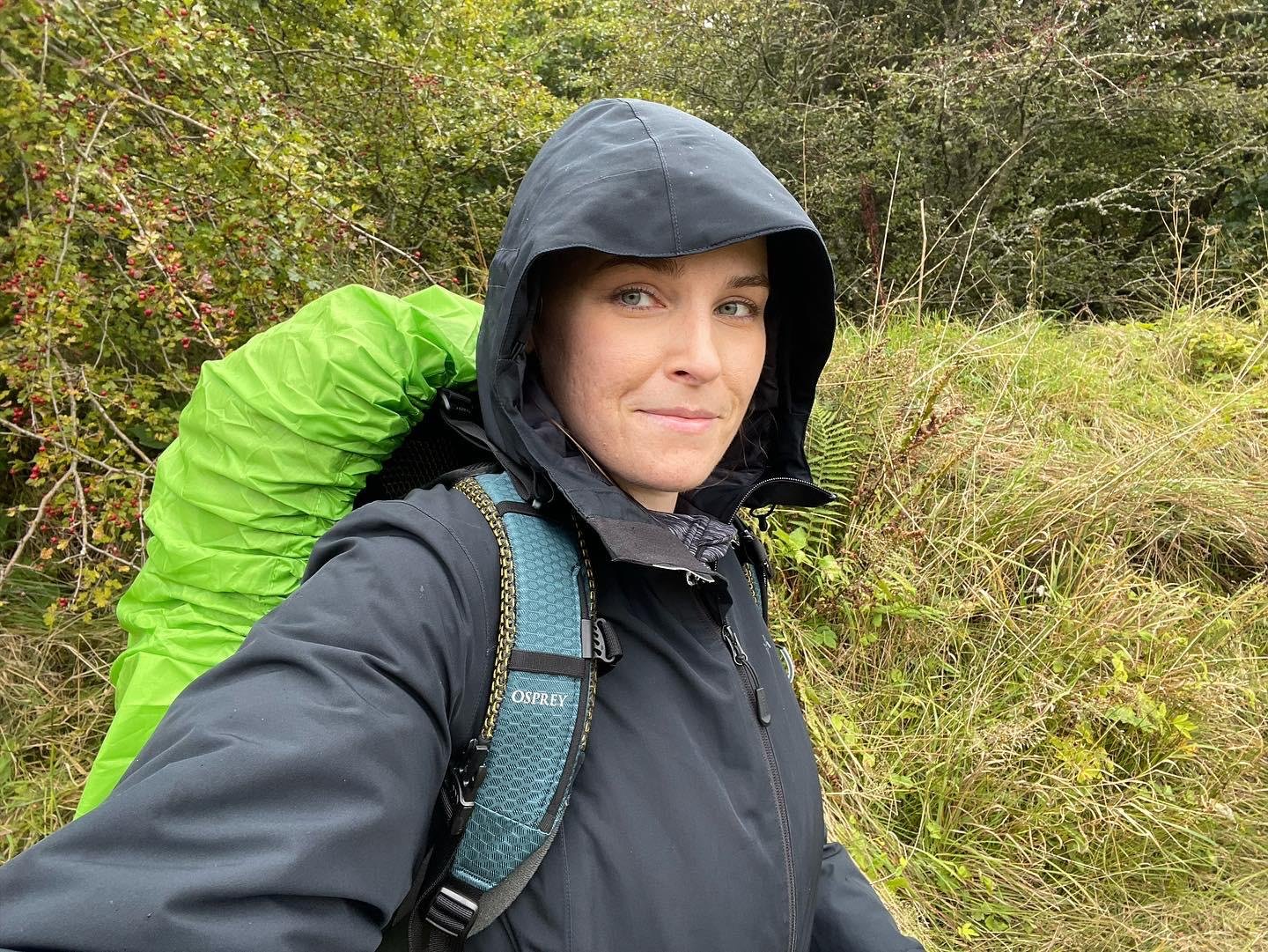
I hiked the trail in October 2022, and while it was lovely and quiet the weather for the first few days was atrocious – there was a weather warning issued the day before and I frantically rebooked my campsites to accommodation!
With Scotland the weather is always a bit of the luck-of-the-draw – but I’ve been hiking in Scotland for several years now and if I had to pick again, I’d go with early May or late September. You’ll dodge the worst of the midges, avoid the biggest crowds, and enjoy the Highlands at their most colourful – while still being within the ideal weather window.
That said, the West Highland Way is worth hiking any time of year. Just tailor your plans (and your gear) to match the season, and you’ll no doubt have an unforgettable journey.
If you found this guide helpful, please consider buying me a coffee
and sharing on your social media